|
||||||||||||||||||||||||
| :: Issues > Political Islam Studies | ||||||||||||||||||||||||
Who's afraid of the Muslim Brothers
Western fears of 'Islamism' have been aided by Arab autocrats seeking to prolong their iron-fisted rule.
|
||||||||||||||||||||||||
| Wednesday, February 9,2011 15:19 | ||||||||||||||||||||||||
|
||||||||||||||||||||||||
|
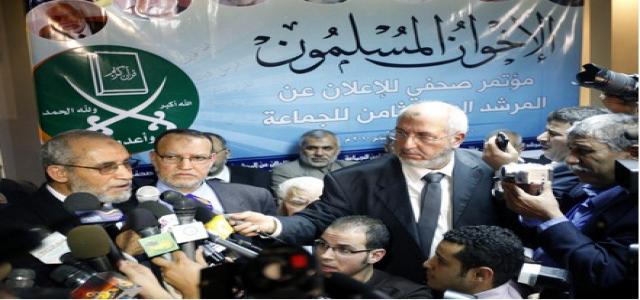
"Islamism" has been sending jitters through Western political corridors over recent years readily aided and abetted by Arab autocrats who have exaggerated and harnessed the "Islamist" threat to prolong their iron-fisted rule. "I'm fed up" of ruling Egypt, complained Hosni Mubarak to an American news channel on February 4 as protests against his 30-year presidency accelerated. "But if I resign now, there will be chaos. And I'm afraid the Muslim Brotherhood will take over," he warned. The Ikhwan is the "father" of Islamic political activism, tracing its roots back to 1928 when it emerged as a movement advocating a return to Islamic morals. Its early political activism was against British rule in Egypt when it opposed the Westernisation of the country. While its formative years were devoted to overcoming imperialism, its history has been marked by challenges to the political status quo and, thus, to fending off state repression. The Muslim Brotherhood has alternately been tolerated, outlawed, its leaders assassinated and/or executed. Milestones to where? One of the most seminal works to emanate from the ranks of the Ikhwan, one which led the Egyptian regime at the time to clamp down massively against the movement, was Milestones, written by a powerful Brotherhood ideologue, Sayyid Qutb, in 1964. Although depicted as a regressive movement, the Brotherhood's membership is anything but unenlightened. The top tier of the movement is made up of doctors, lawyers, engineers and teachers, or the crème de la crème of the Egyptian middle class. The Ikhwan's social activism is derived from its members' ability to live and breathe the problems that average Egyptians face. It is essentially a grassroots movement campaigning for the betterment of Egyptian society. That the movement gained an impressive 88 seats in the 2005 parliamentary election, or 20 per cent of the total, despite widespread electoral fraud (in 2010 it lost all its seats after Mubarak's National Democratic Party massively rigged the election once more, this time leaving nothing to chance) speaks volumes about its popularity. Opponents of the movement will continue to stoke fears about its apparent "clandestine" motives. The cry of "one man, one vote, one time" will be heard loudly and relentlessly from those seeking to deny the Brotherhood a role in Egypt's political future. This is one scare tactic, however, that the people of Egypt will not fall for. Political Islam is a force with strong roots in the country and in the wider Islamic world and will continue to remain so. Algeria set a precedent in the early 1990s of the levels to which opponents of Islamic movements will sink to deny them a political role. A brutal civil war was the cost of voting for the Islamic Salvation Front back then. The people of Palestine are similarly being ostracised by the "international community" for voting in Hamas, an offshoot of the Ikhwan. |
||||||||||||||||||||||||
|
tags: Egyptian Muslim Brotherhood / Muslim Brotherhood in Egypt / Islamic World / Arab World / Middle East / Mubarak / Mubarak Regime / Egyptian Regime / Qutb / Copts / / Moderate Muslim Brotherhood / Moderate MB / Arab Autocrats / Sayyid Qutb /
Posted in Political Islam Studies |
||||||||||||||||||||||||
|
||||||||||||||||||||||||
|
||||||||||||||||||||||||
| Related Articles | ||||||||||||||||||||||||
|
|
 Back to Homepage


 Facebook
  Digg
Digg  Yahoo
Yahoo  Del.icio.us
  reddit
  StumbleUpon
  Mixx
Mixx  Google


Twitter
Facebook
Most Viewed
Join Our Maillist
Video


|
© The Muslim Brotherhood All copyright and re-transport from the site of any material are allowed as long as the source mentioned |
